How energy efficient is your home? And where do you start when trying to gauge all the factors that go into energy efficiency?
I rent my home, and when we first moved in, I didn’t know what to look for. But after a year of living here, I’ve learned what raises the cost of our energy bill and what can lead to costly fixes down the line.
A house is its own entity: each one is different, with a thousand systems overlapping to make it comfortable in our volatile Colorado climate. HVAC, plumbing, electricity, windows, insulation, hardware, flooring—the list of systems contributing to a comfortable home is overwhelming, and they’re all more interconnected than I realized. So how can we gauge energy efficiency when the HVAC contractor tells us one thing and the window guy tells us something else?
This is the problem The Building Science Alliance is trying to solve. A guild of highly specialized contractors, technicians, and professionals, the alliance is making home energy efficiency quantifiable and building transparency for the average person interacting with the housing market, whether they’re selling, buying, or allocating funds for home efficiency upgrades.
Today, I had the opportunity to sit in on an information session with realtors from Key Team Real Estate and learn about the core data points that determine an energy efficiency score and how realtors can better inform their clients about its importance.
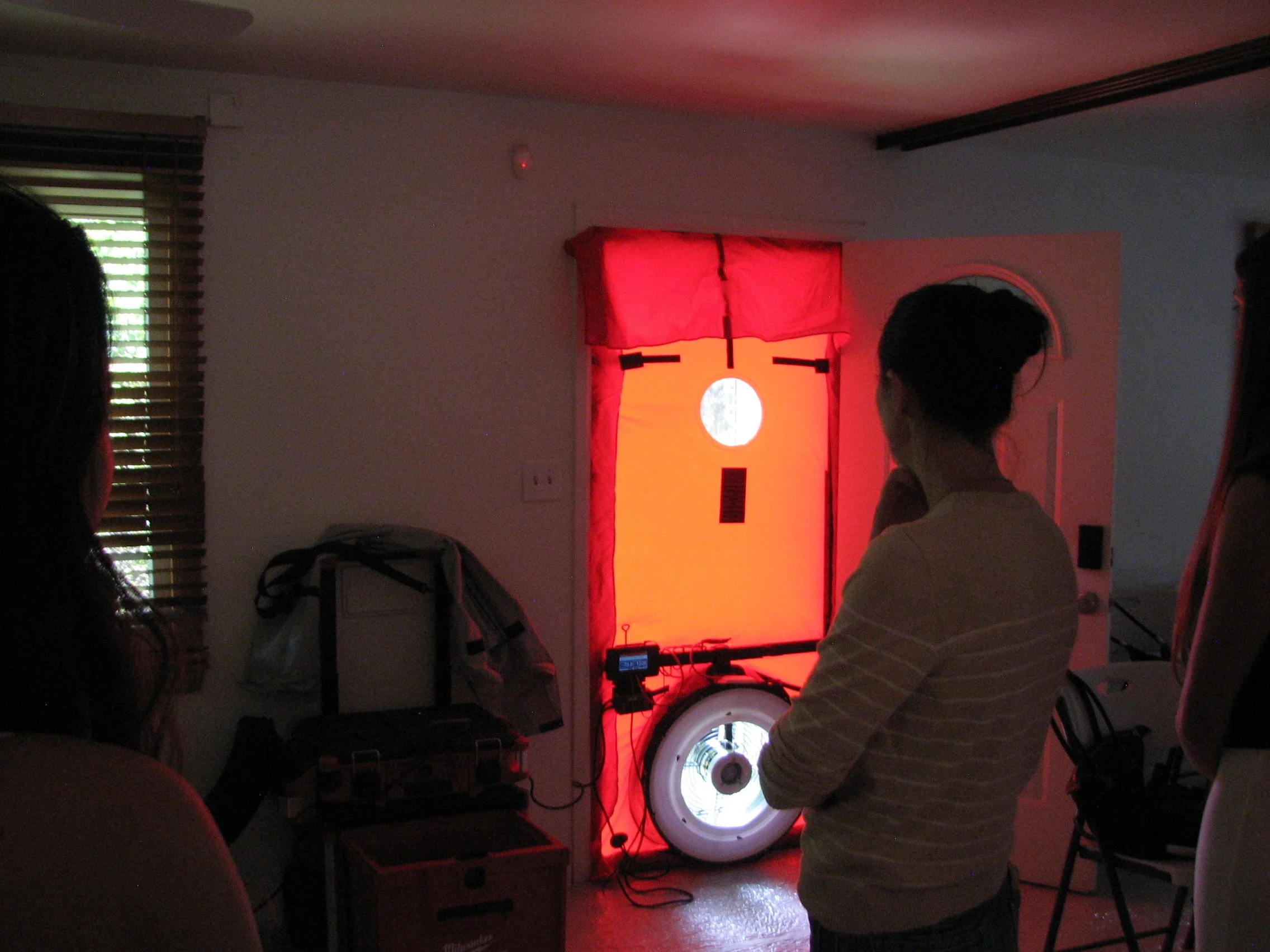
A blower door test checks how airtight a building’s air barrier is by using a temporary fan in an exterior door or large window to pressurize or depressurize the home. It measures the indoor-to-outdoor pressure difference and the fan airflow to calculate the building’s air leakage.
A Blower Door test is the first step in the process because it can show air leakage throughout the home. But many home buyers don’t want to pay for the test, which can run between $300–$500. Elyse Anderson, a real estate agent with the team, explained that home buyers pay for a radon test but see the Blower Door test as an unnecessary cost. Yet the Blower Door test can identify key energy inefficiencies in the home, and the cost to upgrade, fix, or offset those inefficiencies will fall on the homeowner in the future rather than the seller.
Cornelio of Maize Mechanical explained that insulation is another huge cost. Many homes have only the bare minimum, which causes energy costs to rise because it takes more energy to heat or cool the home.
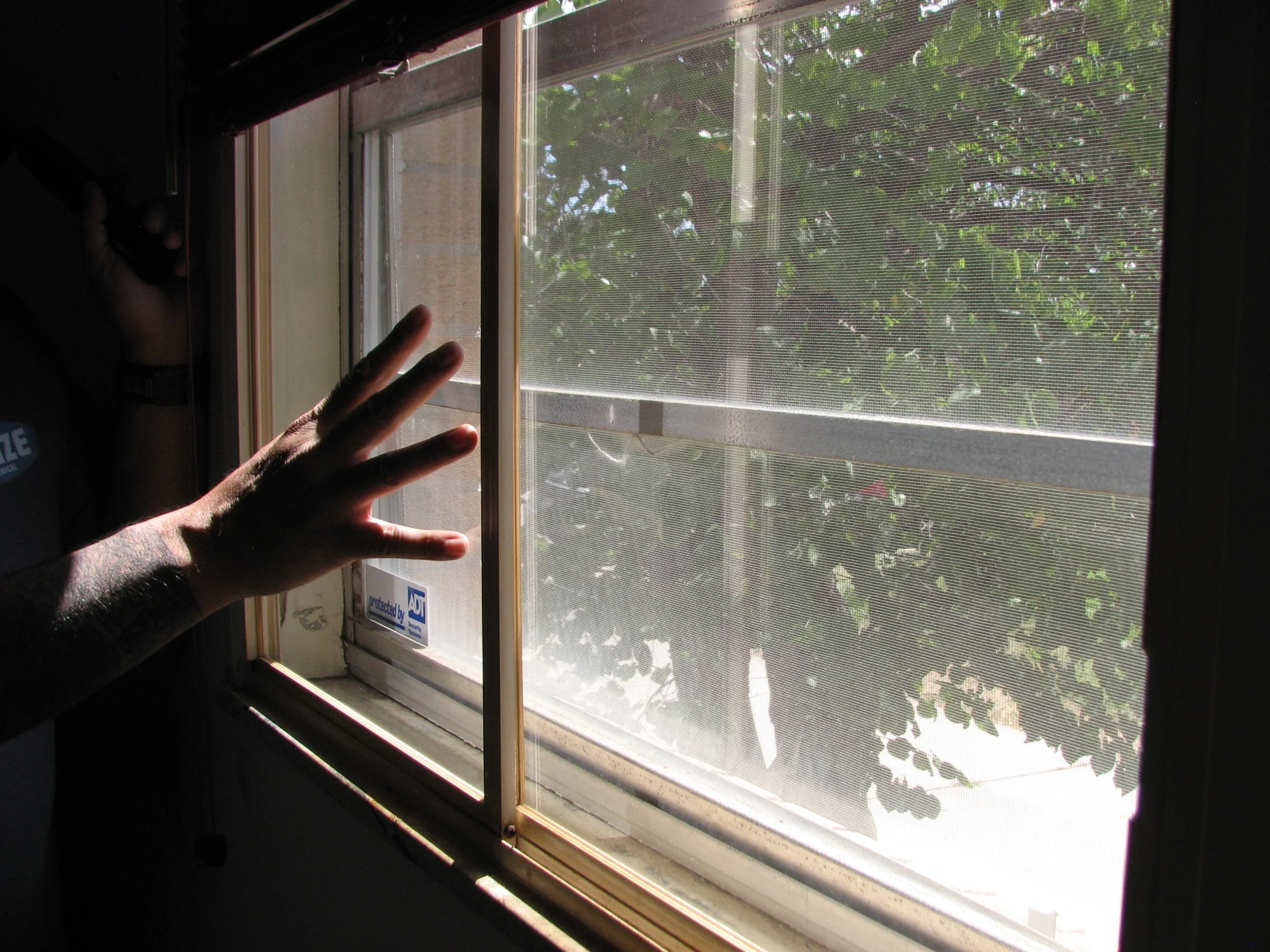
Cornelio demonstrates how air leakages affect overall home energy efficiency and drive up the cost of heating or cooling a home.
The bottom line for many of the real estate agents was transparency and trust with their clients. They want to know about the homes they’re selling and stay informed on the technical side of energy efficiency so that all parties are informed and prepared down the line. When realtors try to hide old, brittle pipes or poor insulation, they’re not engaging in ethical business practices—and everyone hurts.
