The transition to cleaner energy requires more than new technologies. It requires connecting communities with the resources, training, and opportunities they need to participate. For homeowners, that might mean finding affordable ways to improve their homes' energy efficiency. For job seekers, it might mean discovering a career path they hadn't previously considered. Both are essential to building a more equitable and sustainable future.
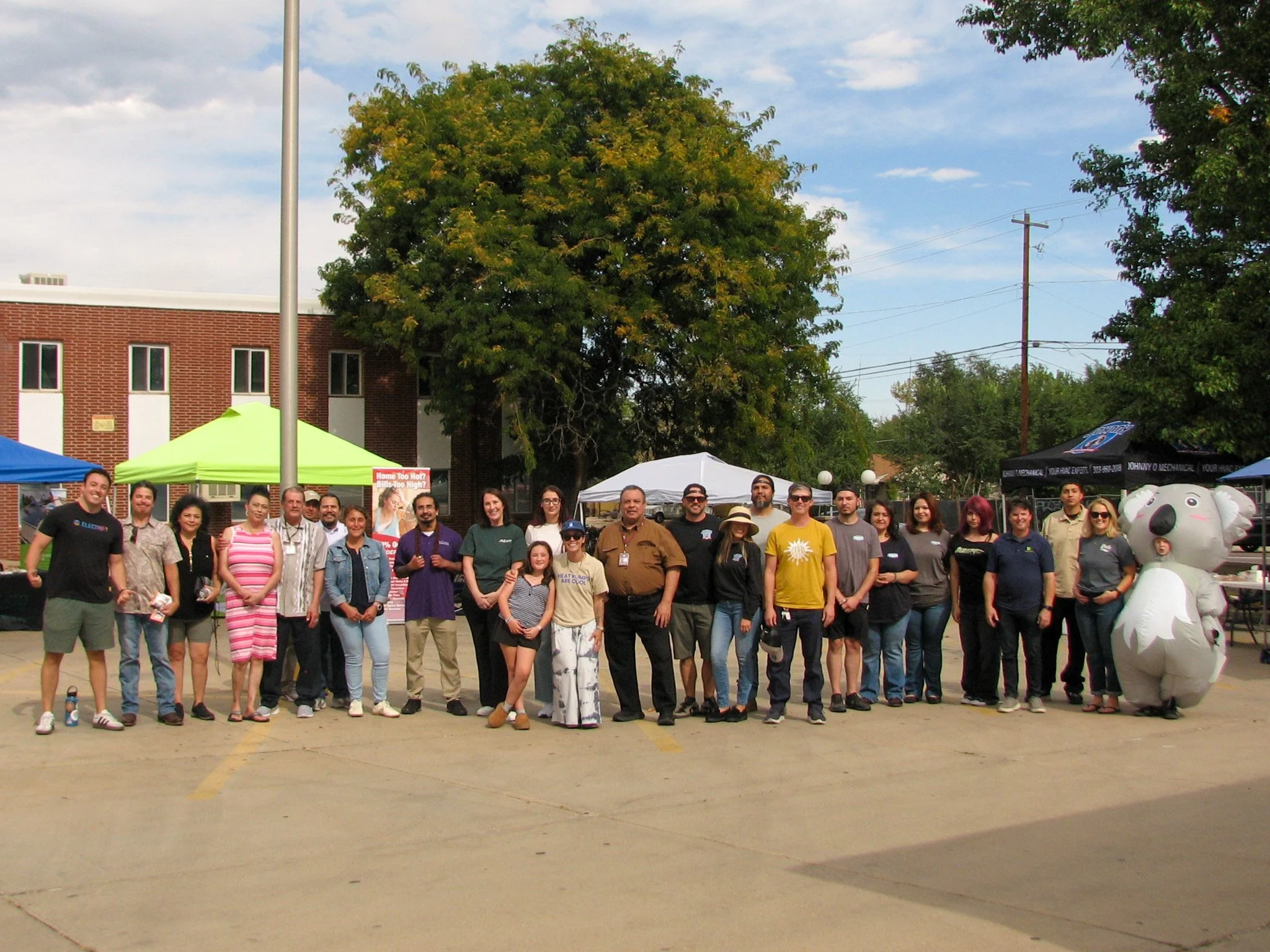
The Building Science Alliance and Electrification Workforce Network recently brought these opportunities together at a community outreach event at New Hope Ministries in Denver's Westwood and Barnum area. Approximately 80 to 100 people attended, connecting with local contractors, workforce development organizations, and community resources.
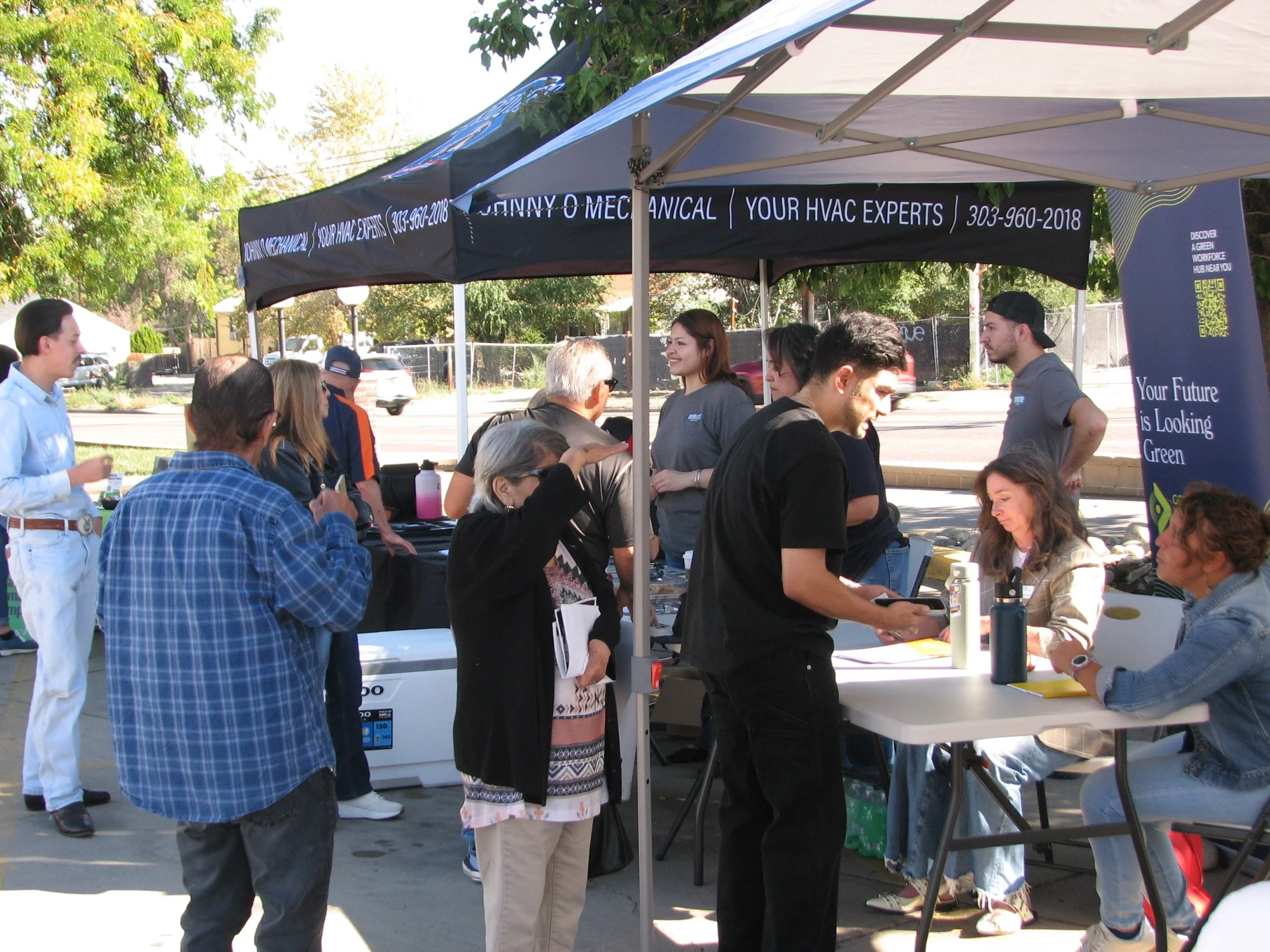
Representatives from The Building Science Alliance, Johnny O Mechanical, and the Jefferson and Boulder County Business & Workforce Centers speak to community members of Denver’s Westwood and Barnum area.
Companies including Jetson, Just Heat Pumps, Johnny O Mechanical, Elephant Energy, Koala Insulation, and My Electric Home joined organizations such as Mi Casa Resource Center, GRID Alternatives, Red Rocks Community College, the Jefferson County Business & Workforce Center, and Upskilling U.
About 50 residents left with information about home electrification resources, and at least two job seekers left with interviews scheduled. These outcomes illustrate the value of bringing together the people who need services, the professionals who provide them, and the organizations working to make them accessible.
For homeowners, replacing an aging furnace, improving insulation, or installing a heat pump can be financially overwhelming. But these improvements aren't simply about lowering energy bills or reducing emissions. They can also have lasting implications for health and quality of life.
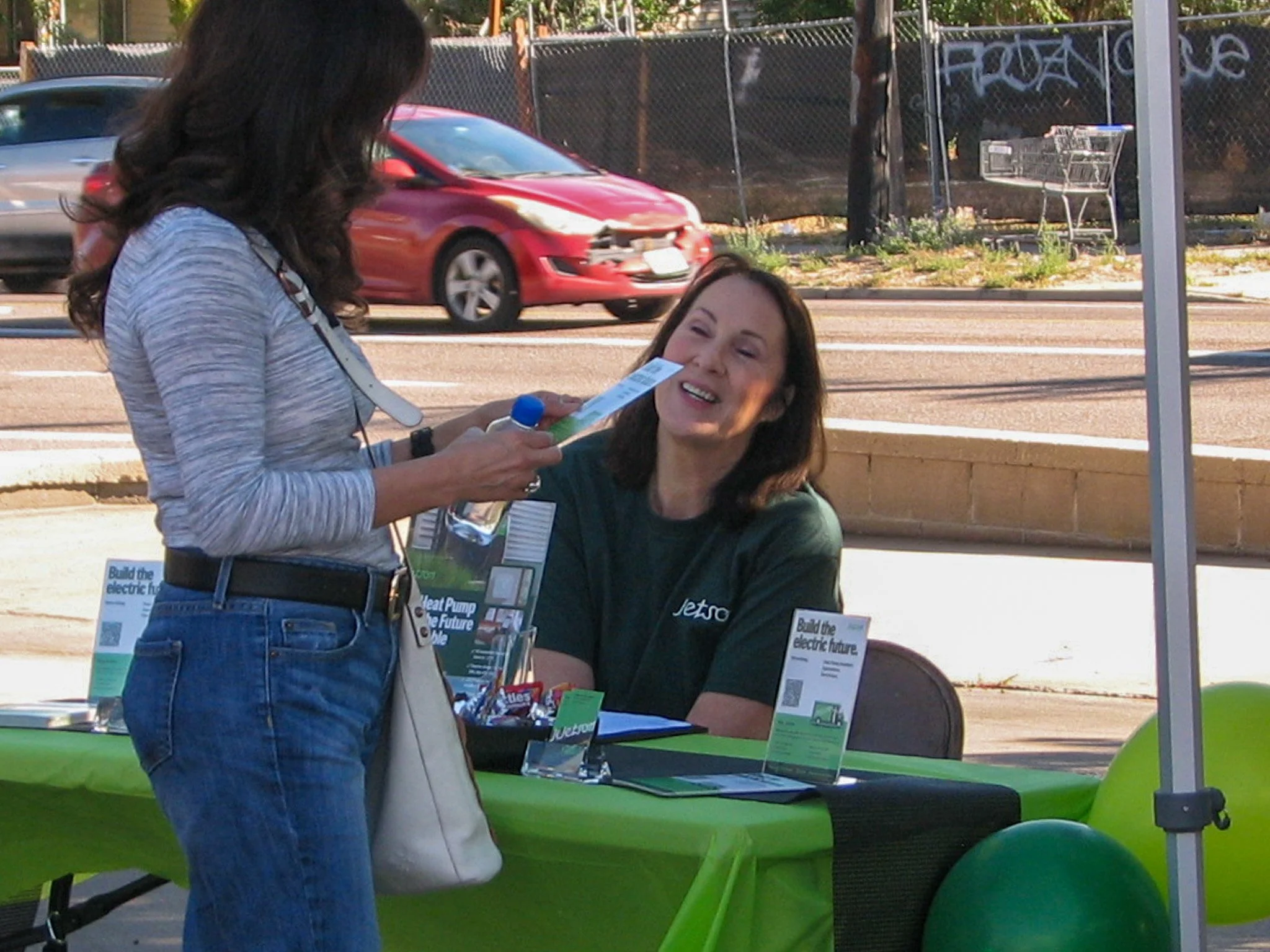
Lorenzo Sanchez, a career coach with Mi Casa Resource Center, shared an experience from his previous work with Groundwork Denver that helped put this into perspective. During a home energy assessment, he encountered a family whose aging water heater was improperly ventilated, exposing the household to dangerous levels of carbon monoxide. The children had been experiencing frequent headaches, but their mother hadn't realized the symptoms could be connected to their home.
Having previously worked as a classroom teacher, Lorenzo understood how environmental conditions could affect children's ability to concentrate and learn.
"Your home could be poisoning you. Your home could be affecting your children's future," he reflected.
Through Groundwork Denver's assistance program, the family received a replacement water heater they otherwise would have struggled to afford.
His experience illustrates why environmental justice must begin in the home. Families cannot reasonably be expected to prioritize energy efficiency when they're struggling to afford basic necessities, especially when the health consequences of outdated systems aren't always apparent.
But making these improvements accessible also requires investing in the people who perform the work.
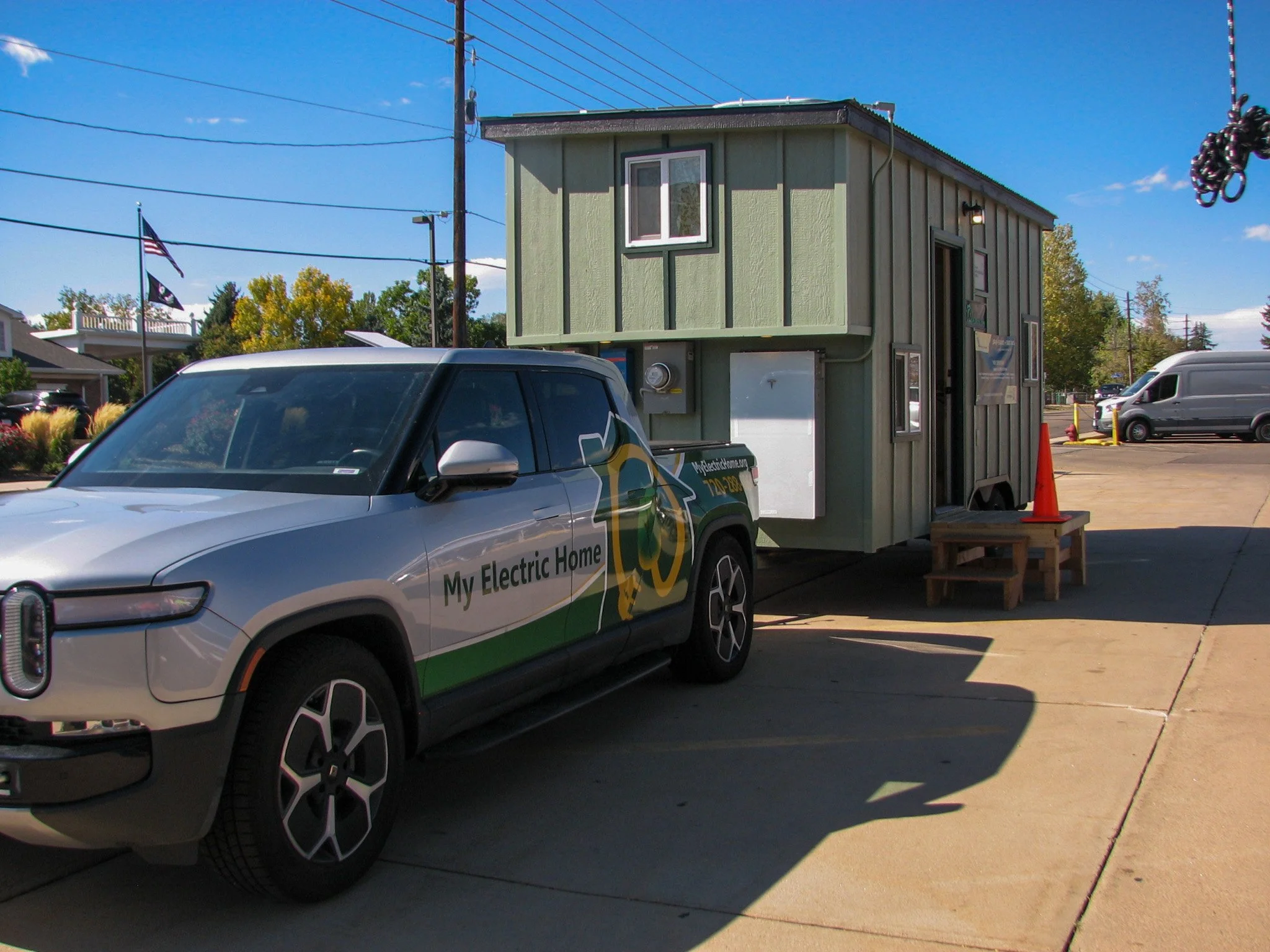
My Electric Home demonstrated their fully off-grid system with remote access.
Fabian Zamora, who works with Jason Altshuler of My Electric Home, entered the trades through a four-week paid training program with GRID Alternatives. After completing the program, he connected with Jason and began gaining hands-on experience in solar, battery installation, electrical work, and HVAC.
Fabian's experience demonstrates how workforce training and relationships with local employers can create pathways into meaningful careers.
Nowe Orgaz of GRID Alternatives shared a similar perspective on the importance of community investment. He recalled a homeowner whose electricity bill dropped by approximately 50% after a solar installation, providing financial relief that made a tangible difference in her life.
These stories highlight how the benefits of electrification extend beyond the technologies themselves. They can create jobs, reduce household expenses, and improve the health and well-being of the communities they serve.
The Building Science Alliance's approach to home energy efficiency is rooted in the understanding that the systems within a home are interconnected. An efficient HVAC system can only do so much if a home is poorly insulated, and the benefits of energy-efficient upgrades are limited if homeowners cannot afford them.
The same principle applies to community development. Workforce training, housing affordability, public health, and environmental sustainability are interconnected challenges that require collaboration across industries and organizations.
What stood out to me about the outreach event was how these different pieces of the energy transition came together in one place. Residents could learn about making their homes safer and more efficient while job seekers explored careers helping other families make those same improvements.
We often discuss the energy transition in terms of technologies, emissions targets, and financial incentives. But meaningful progress also depends on building relationships within our communities.
Environmental justice begins in the home, and creating lasting change requires investing in both the people who live there and the people working to make those homes healthier and more sustainable.
